


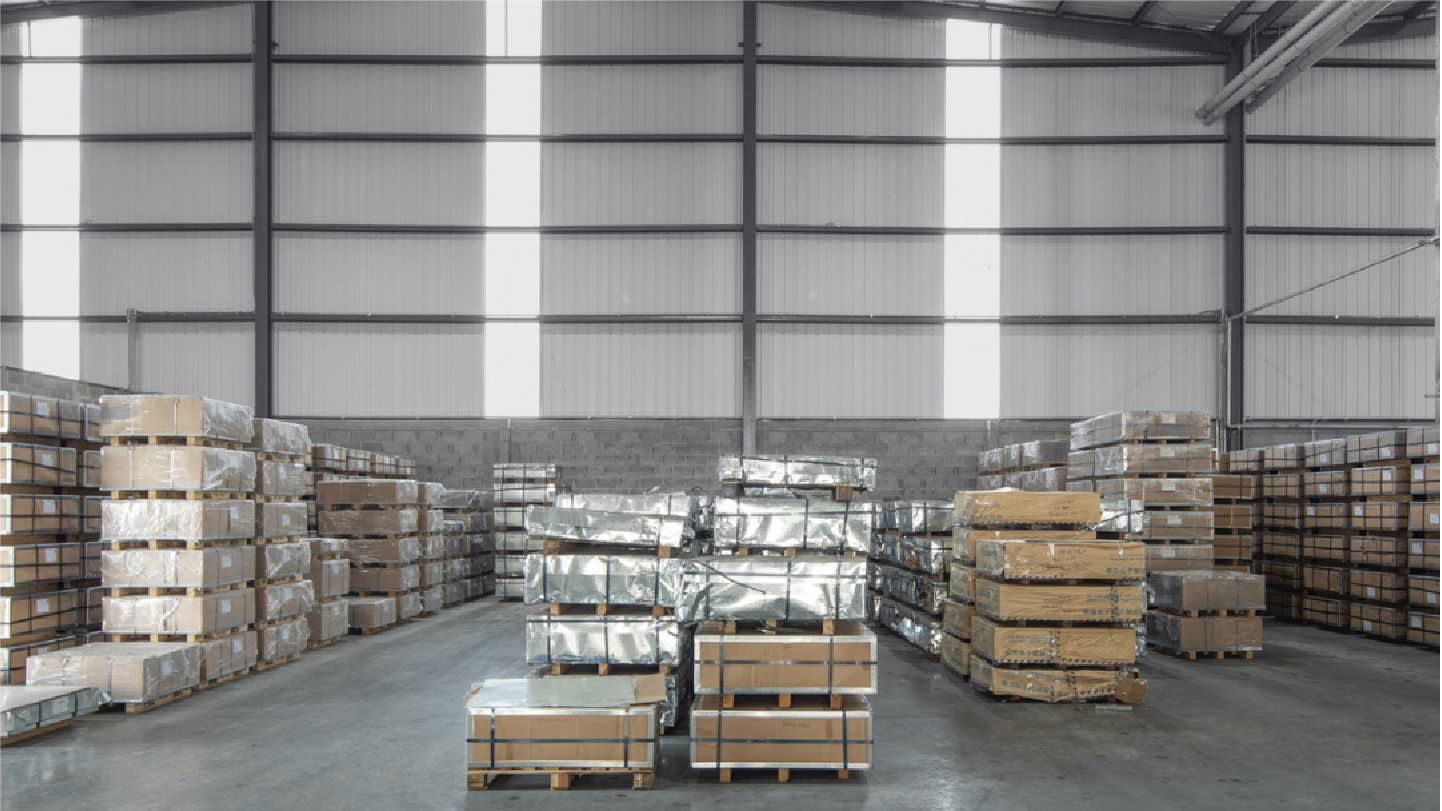
Ensuring the integrity of raw materials is paramount in the metal manufacturing industry. When a material is received, such as tinplate and tin free steel, certain minimum criteria must be met to validate whether it was manufactured and delivered following industry quality standards. These criteria are based on visual or documentary inspections, and do not consider the physicochemical tests that can be performed on the material.
Here are some of the essential technical actions to take for meticulous material quality assessment upon receipt:
1. Material Identification:
Validate that the label encompasses critical details such as producer/supplier specifications, dimensional specifications, mechanical properties, metallic coating, and weight.
2. Material Packaging:
Prioritize stringent packaging standards aligned with agreed specifications with the supplier to safeguard materials against the rigors of logistical challenges such as weather elements.
3. Quality Certificates:
Scrutinize certificates for technical details consistent with contractual agreements, encompassing all the different variables, which may include dimensional variables (thickness, width, length, out of square, edge wave, bow) etc., coatings (chrome or tin and oil), mechanical properties (hardness, elastic limit, elongation, etc.), chemical composition, among other variables agreed upon between the client and supplier.
4. Visual Inspection:
Ensure the material is corrosion-free, particularly over the surface. Examine the surface for uniformity, identifying and rectifying potential issues such as low passivation film, excessive coating, or oil residues.
Eventually, rust may occur on the cutting edges due to the lowered protection and the time between cutting and use of the material. The material should not have yellow or brown or dark spots. In tinplate, yellow spots indicate a low passivation film; in chrome sheet, yellow or brown stains may represent excess chrome coating or a poor final washing procedure for the material, and in both materials, dark stains may represent excess oil. In all cases, these conditions can influence the quality of the varnishing processes.
These steps will enhance your QA practices, elevate your production methods, and mitigate the risk of defects.
